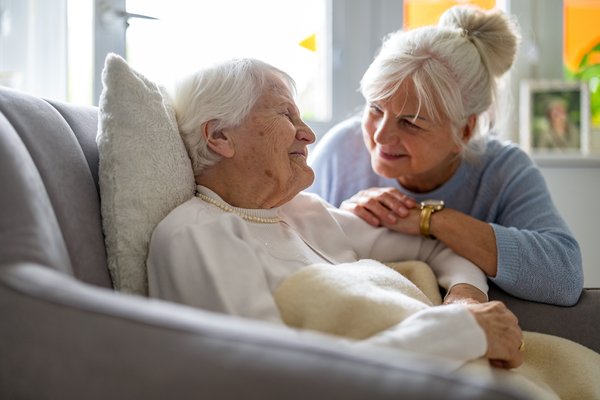
Caring for a spouse who needs daily support can be one of life’s most profound expressions of love. Many partners step into the role of spouse caregiver without hesitation, doing whatever it takes to help the person they love. Over time, though, caregiving can bring complicated emotions. The relationship you once knew may be changing, and the responsibilities can feel endless.
Setting boundaries does not mean caring less. Healthy boundaries help create a sustainable path forward so you can support your partner without sacrificing your own well-being. When you learn how to set boundaries as a caregiver, you protect both your health and your relationship.
Understanding how to maintain your identity while supporting your partner is essential for both of you. The journey often requires honest self-reflection, clear communication, and sometimes the courage to acknowledge that no one can do everything alone.
Recognizing When Caregiving Crosses Into Self-Sacrifice
Many people don’t initially identify as caregivers. They see themselves simply helping their spouse, the way partners have always supported each other. Over time, though, everyday help can evolve into full-time responsibility.
When caregiving becomes overwhelming, the signs can be easy to overlook. Spousal caregiver stress and caregiver emotional exhaustion often appear gradually.
- Persistent fatigue that does not improve with rest
- Withdrawal from friends, hobbies, or community programs you once enjoyed
- Increased irritability or mood changes
- Feeling resentful or overwhelmed by daily responsibilities
- Difficulty sleeping or physical symptoms such as headaches or digestive issues
These experiences can also contribute to spouse caregiver burnout, especially when support systems are limited.
Recognizing these warning signs is not an admission of failure. It is an important step toward adjusting your approach and protecting your well-being.
Why Boundaries Can Trigger Caregiver Guilt
For many spouses, setting limits can feel uncomfortable or even disloyal. Wedding vows often include promises such as “in sickness or in health,” which can make stepping back feel like a broken promise.
This emotional conflict is often described as caregiver guilt.
The truth is that boundaries do not weaken your commitment. In fact, they protect it. Without clear limits, caregiver emotional exhaustion becomes more likely, which can make it harder to stay patient, present, and compassionate.
Think of boundaries as protective guardrails. They help ensure that you can continue showing up for your partner with care, empathy, and strength.
Starting Small: Daily Boundaries That Make a Difference
If you’re wondering how to set boundaries as a caregiver, start with small, realistic changes that support your own well-being.
Identify one or two routines that help you recharge and treat them as priorities.
Examples may include:
- A morning walk before the day begins
- A weekly phone call with a close friend
- 30 minutes of reading or quiet time each evening
- Time spent enjoying a hobby you love
Communicate these needs clearly with your spouse when possible. Framing these routines as essential for your own health can help reinforce why they matter.
Physical boundaries are also important. Some caregiving tasks may be manageable, while others may require outside support. Being thoughtful about what you can realistically handle helps reduce spousal caregiver stress over time.
Building a Support Network
No one should try to handle caregiving alone. Yet many spouse caregivers feel isolated, either because they hesitate to ask for help or because others are unsure how to support them.
When friends or family offer assistance, consider being specific about what would help most.
For example:
- “Could you stay with my husband on Thursday mornings?”
- “Would you handle pharmacy pickups this month?”
- “Can you bring dinner on Tuesdays so I don’t have to cook?”
- “Would you take my wife to her next doctor’s appointment?”
Professional services can also make caregiving more sustainable. Adult day programs provide meaningful engagement for your spouse while giving you predictable time to rest or recharge.
Senior living communities can also be an important part of the support network. Many Discovery Senior Living communities offer specialized programs, engaging daily events, and thoughtfully designed environments that support individuals living with dementia while helping families feel less alone in the journey.
For example, Discovery communities may offer:
- Dedicated Memory Care neighborhoods designed for comfort and familiarity
- Structured daily programs that encourage connection and engagement
- Opportunities for family collaboration and ongoing communication
- Trained team members who understand the evolving needs of residents living with dementia
These resources can help reduce spouse caregiver burnout while ensuring your partner receives thoughtful, personalized support.
Preserving Your Identity Beyond Caregiving
One of the most challenging aspects of caregiving is remembering that you are still more than your role as a caregiver.
You are still a partner, a friend, and an individual with interests and passions that deserve attention.
Protecting space for these parts of your identity can help prevent caregiver emotional exhaustion and improve long-term resilience. Even small connections to your pre-caregiving life can help you feel grounded.
Consider:
- Reconnecting with hobbies you once enjoyed
- Staying involved in social groups or faith communities
- Scheduling regular time with friends or family
- Practicing activities that support your mental health, such as journaling or meditation
These moments of self-care are not selfish. They help you continue supporting your spouse in a healthier, more sustainable way.
When Professional Support Becomes the Right Next Step
Sometimes, even with strong boundaries and support systems, a partner’s needs may grow beyond what one person can safely manage at home.
Recognizing this is not failure. It’s an act of love and honesty.
Communities offering Assisted Living and Memory Care can provide round-the-clock support from trained team members, along with specialized engagement programs designed for residents living with dementia. Discovery Senior Living communities often use research-informed approaches that prioritize personalization, family collaboration, and meaningful daily experiences.
In these settings, spouses can transition from being a full-time caregiver back into the role of partner.
This shift often allows couples to focus again on companionship, shared moments, and emotional connection rather than the daily demands of caregiving.
Continue the Conversation
Caregiving can be one of the most meaningful and challenging journeys a spouse may experience. Learning to set boundaries, ask for help, and care for yourself along the way can make a profound difference for both you and your partner.
Never miss an episode of The Disappearing Mind Podcast, where we explore the realities of dementia across every stage and share practical guidance to help families feel more informed, prepared, and supported.
Subscribe today to stay connected and continue the conversation.



.jpg?width=2000&height=1334&name=paying%20for%20independent%20living%20(3).jpg)