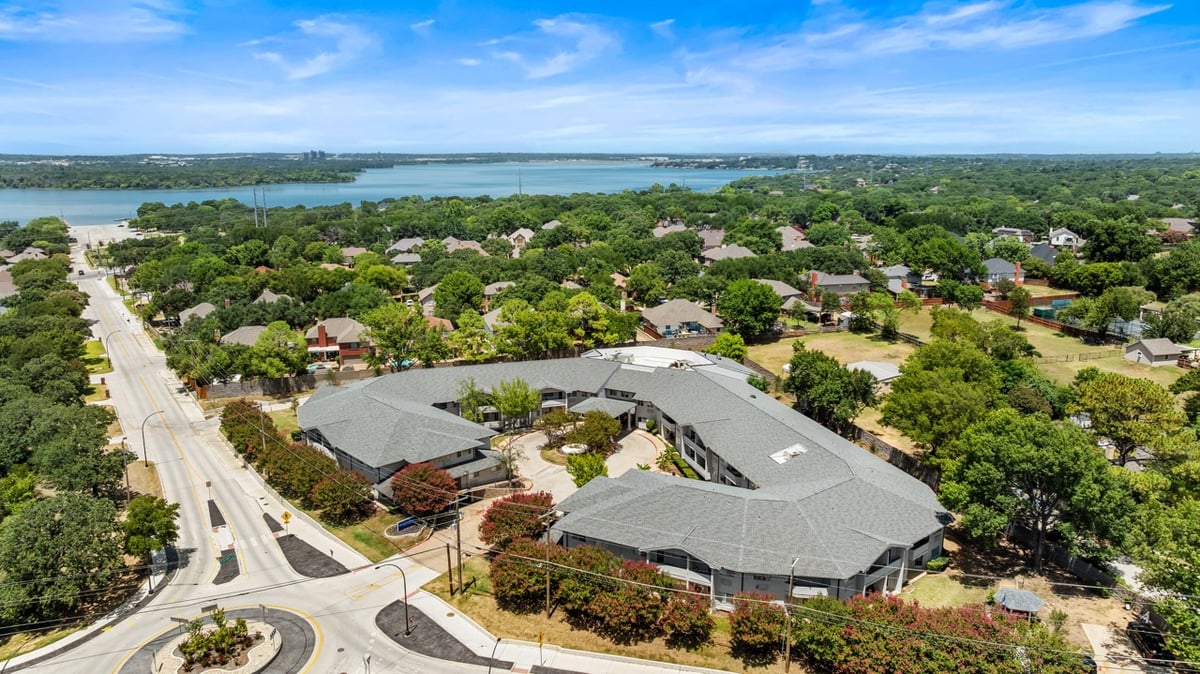
Social interaction remains important in retirement living, as it supports residents' physical and cognitive health, strengthens social networks, boosts self-confidence, and fosters a sense of belonging. Independent living communities like Arlington Plaza, located in Arlington, TX 76016, offer a safe and comfortable environment designed to foster resident engagement.
Research from the National Library of Medicine indicates that about 24% of Americans aged 65 and older who live in the community experience social isolation. Loneliness and isolation in older adults often arise from life changes, such as the loss of a loved one, reduced mobility, or separation from family.
In a community that values social wellness, residents find joy in daily conversations and shared activities. This fosters a sense of community belonging and meaningful senior friendships that brighten every moment.
How Are Social Relationships Affected by Retirement?
Retirement often brings relief and freedom, but it can also transform a person's social world. Without daily interactions, routines, and shared work goals, retirees may find it challenging to connect and maintain relationships.
Retirement creates more time for seniors to bond with family and friends. This strengthens intergenerational relationships and fosters a sense of belonging.
Retirement also expands opportunities for new social circles. Retirees can explore new communities through:
- Volunteer work
- Clubs
- Classes
- Travel groups
- Faith-based activities
On the downside, retirement results in the loss of workplace social networks. This can lead to feelings of isolation or disconnection if new social outlets aren't established.
Why Social Interaction Is Important for Seniors?
When choosing a senior community, consider how it encourages meaningful social connections. A truly connected independent living community creates an atmosphere where everyone feels valued and included.
Improves Physical Health
Staying connected in retirement living can involve joining activities such as fitness programs and dance classes. Participating with friends makes exercise feel enjoyable rather than like a chore. Shared activities provide motivation and gentle accountability that help residents stay strong, flexible, and balanced.
Creates a Sense of Purpose and Belonging
Social interaction helps build a meaningful senior friendship that enriches daily life. Authentic connections and friendships remind residents that they are valued members of a community, not isolated individuals. Being truly known and appreciated brings emotional warmth and a sense of community belonging.
Social connections also provide seniors with opportunities to contribute and lead. Playing any role, whether big or small, helps seniors feel valued and needed. That sense of contribution can be deeply meaningful, providing new direction and motivation in life.
Boosts Mental and Emotional Wellness
Social interactions in retirement living help residents form meaningful bonds that reduce feelings of loneliness and isolation. Staying socially connected also keeps the mind engaged and alert.
Conversation and friendships stimulate memory, language, and problem-solving skills. This helps maintain cognitive sharpness, reducing the risk of dementia or Alzheimer's disease.
Social connections also boost seniors' self-esteem and sense of identity. Enhanced self-esteem leads to increased confidence and emotional well-being.
Encourages Lifelong Learning
When seniors connect, they naturally share stories, skills, and experiences. These interactions spark curiosity, motivating them to try new hobbies or join community workshops that expand their horizons.
Socially connected communities often organize clubs, discussion groups, and classes. Learning with peers fosters a supportive and engaging atmosphere that motivates participants.
Through conversations, storytelling, and mentorship sessions, seniors can share wisdom with one another. They share wisdom while gaining new perspectives in return. This mutual exchange keeps minds active and fosters a sense of purpose.
Builds Strong Support Networks
In a socially connected independent living community, residents naturally look out for one another. Peers can offer a listening ear, help with errands, or check in during illness. These small acts create a network of support.
Frequent resident engagement in retirement living also builds a culture of compassion and lifelong friendship. This culture of compassion transforms the retirement community into a supportive home where residents uplift each other.
How Retirement Communities Facilitate Meaningful Social Connections
Independent living communities like Arlington Plaza offer a full calendar of weekly social events and activities. Seniors can interact and share experiences through events and activities like:
- Jokers and marbles table game
- Bingo
- Movies
- Outings
- Calendar meetings
- Ballroom volleyball
- Choir club
Retirement living also features spacious apartments that residents can share comfortably. Larger living spaces enable residents to engage in shared hobbies or group activities.
Residents in retirement living enjoy restaurant-style dining experiences where conversation flows freely. Sharing meals with others offers daily moments to connect, laugh, and share stories.
Frequently Asked Questions
What Are the Three Pillars of Social Interaction?
Three essential pillars--structure, function, and quality--define senior social interaction. The structure of social interaction describes an individual's social network.
The purpose of social interactions among seniors focuses on what they provide. Quality centers on how satisfying, positive, and meaningful those senior interactions feel.
How Do Introverted Seniors Handle Social Interaction?
Many introverted seniors prefer meaningful, low-pressure social interactions that respect their need for calm and personal space. They often prefer quality over quantity in their relationships. Rather than attending large gatherings, they may choose to focus on strengthening close friendships or family bonds.
What Are the Signs of Social Anxiety?
Social anxiety is a lasting fear of facing rejection, embarrassment, and judgment during social interactions. Common signs include:
- Withdrawal
- Negative self-talk
- Intense fear of social activities
- Physical symptoms of anxiety, like trembling or a racing heart
- Difficulty forming or maintaining friendships
Introverted seniors balance social time with solitude. This gives them space to rest and reflect after interactions. It also helps them stay socially active without feeling overwhelmed or drained.
Social Interaction: Creating Meaningful Connections to Shape Your Well-Being
Social interaction in retirement living helps residents build connections, foster personal growth, and find joy in everyday life. Activities and events like exercise classes, group outings, club walks, and movie nights provide opportunities for seniors to socialize and form lasting friendships.
At Arlington Plaza Senior Living, residents enjoy a wide range of amenities, including engaging activities and events, exclusive programs, and special features such as guest suites and wheelchair accessibility. If approved for our military veterans program, you'll get a one-time $1,000 discount on your second month's rent.
Contact us today to discover how you can become part of our vibrant community.